Workers comp has cut opioid use, but prescription counts alone can't show whether injured workers are recovering or functioning better.
Measure recovery, not just prescribing
Workers compensation has reduced opioid prescribing, but that measure can’t show whether injured workers are healing or functioning better. My read is that treatment oversight should ask a more direct question: Is the plan helping this person recover? A lower prescription count can signal a change in practice, but it doesn’t tell us whether pain is controlled, daily activity is returning or treatment is meeting the worker’s needs.
I came to that question through three C-sections. After my first son was born in a Chicago hospital in 2007, an emergency procedure and general anesthesia left me with severe pain. I waited hours between doses before speaking up, by which point I was often in tears. My doctor asked when I’d last received pain medication. The answer: too long ago. The gap between what I was experiencing and what the care process recognized was hard to miss.
For my second son’s birth in 2008, I asked whether I could manage my medication. The hospital agreed after I described what had happened. I had prescription pain pills at my bedside while caring for a newborn, and I used them cautiously because I was nursing. In retrospect, that degree of control feels striking. It gave me a way to respond to pain as it arose, while the responsibility for careful use remained with me.
My third C-section, in 2021, brought a painful recovery and minor surgical complications. I felt I had to plead for relief. I went home with a small supply of prescription medication, then called my doctor repeatedly because I could barely move or get out of bed. I can’t identify which prescribing decision or policy shaped that experience. I can say that I felt the rules around treatment received more attention than my pain. That distinction matters: oversight can be present and still fail to answer whether care is helping.
Prescription counts don’t measure recovery
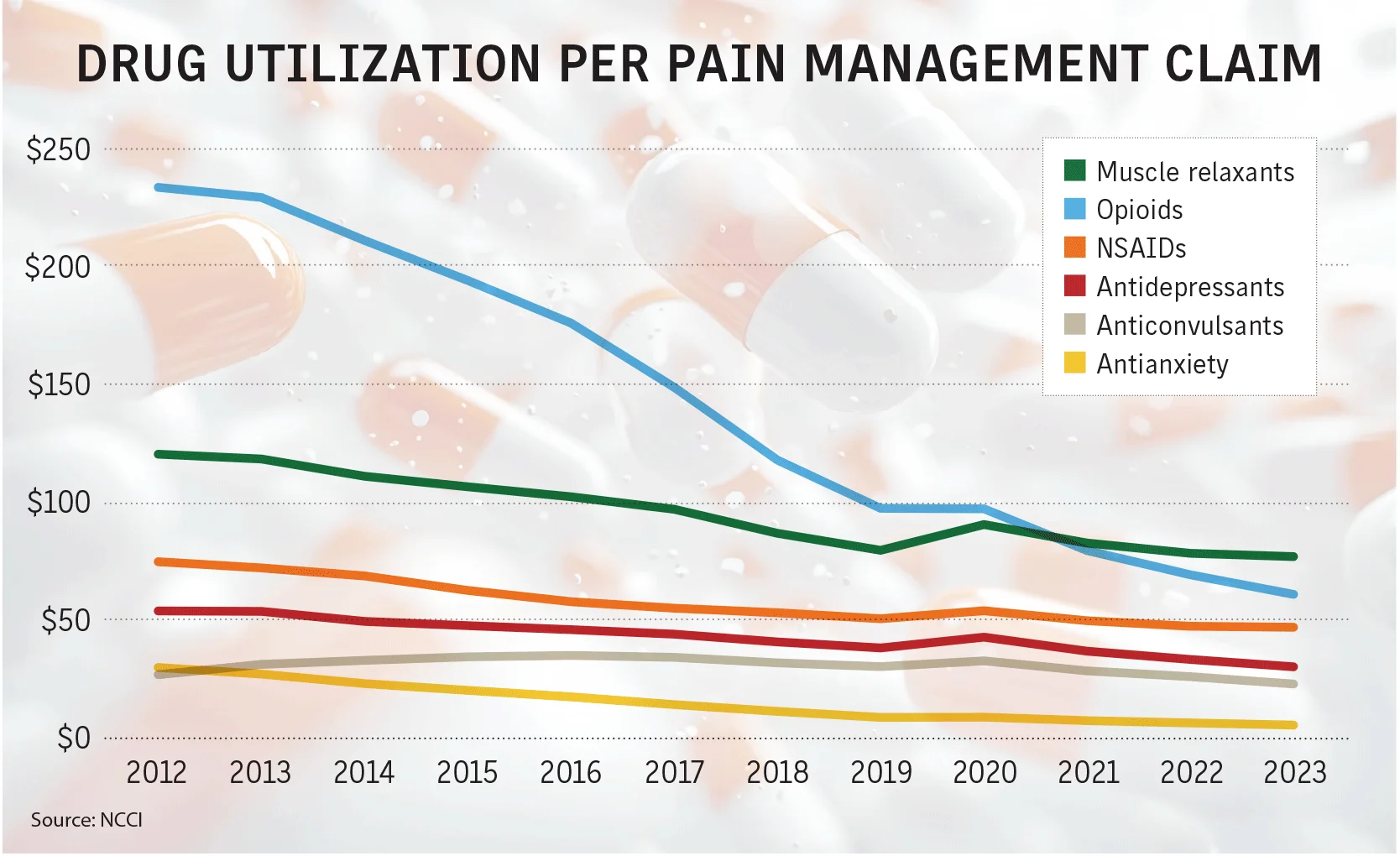
Those experiences stayed with me as I reported on opioid use in workers compensation for our October-November coverage (see story here). Lower opioid use matters. So does access to physical therapy, behavioral care and other approaches. But neither prescribing totals nor the availability of alternatives tells us whether workers are recovering better. A treatment option on paper has limited value if it doesn’t fit the person’s condition or help them resume basic activities.
The CDC’s 2022 prescribing guideline calls for individualized care and cautions against applying dosage and duration recommendations rigidly. It covers outpatient prescribing, including prescriptions at hospital discharge, rather than inpatient treatment. That distinction leaves room for clinical judgment—and the need to use it thoughtfully. Guidance can set a frame for decisions, but the clinician still has to weigh the patient’s circumstances and response over time.

I had no history of drug misuse and understood that opioids carry risks. I was seeking enough relief to recover and care for my baby. That context doesn’t eliminate risk, but it should inform decisions about treatment. The same principle applies in workers compensation: a risk assessment needs to consider the individual, not just the category of medication or the number of prescriptions.
Make oversight responsive to the worker
Workers compensation has tools to review medication and care, including pharmacy reviews, utilization review, nurse case management and regular contact with treating clinicians. Used well, those systems can assess whether a treatment is appropriate, whether it’s working and when the plan needs to change. Their value depends on whether the information they gather leads to timely adjustments, rather than simply documenting that a review took place.
That assessment should account for pain, medical history, other medications and daily function. It also needs to happen quickly enough to matter to someone in pain. State prescribing requirements and coverage rules can complicate care, but policies that obstruct an appropriate, individualized response should be identified. Here's the thing: a process that is careful on paper can still be ineffective if it leaves a worker waiting while unable to sleep, move or participate in rehabilitation.
Workers who have taken opioids for years face different circumstances from someone recovering from surgery. Still, the same question applies: Does continuing, reducing or replacing medication help this person function? The answer may change as recovery progresses, which is why periodic review should focus on the person’s current condition and the effects of the plan.
The test is whether the plan helps
“Treating the whole worker” sounds promising. The real test comes when someone says the current plan isn’t working. An injured worker may need help sleeping, getting out of bed or taking part in physical therapy. Those outcomes deserve attention alongside prescription counts—and that starts with listening to the person still in pain. This is more significant than it looks: listening is not a substitute for clinical judgment, but it gives that judgment information it can’t get from a tally alone.
If you're working in this space, the practical question is whether review systems make it easier to spot an ineffective plan and respond. And yet, the worker’s account can be missed when success is defined mainly by medication use. A better measure has to include what the person can do, whether treatment is helping, and whether the plan is adjusted when it isn’t.
Not a prescription total. A recovery plan that works.
Discussion
Sign in to join the discussion.