Gem Diamonds raised production and sales forecasts after four large stones generated nearly 64% of third-quarter revenue.
Revenue depends on a small number of exceptional stones
Gem Diamonds’ third-quarter results show how strongly its finances depend on exceptional stones: four diamonds priced above $1 million each generated $22.2 million, nearly 64% of revenue. That helped lift revenue 35% year over year even as carats sold fell 22%. The contrast matters: reported growth came from the value of a handful of sales, not from shipping more diamonds.
For a miner whose results can be shaped by a small number of large stones, quarterly revenue can move sharply even when production and sales volumes head in the opposite direction. That makes the headline increase real, but it also limits what it says about the underlying pace of the business. The quarter shows that Letšeng-quality stones can command substantial prices; it doesn't establish that the same mix of stones will be recovered or sold in every period.
The Africa-focused miner raised its 2026 recovery forecast to 78,000–80,000 carats from 75,000–78,000, citing operating performance and cost controls. Its sales outlook increased to 79,000–81,000 carats, up from 77,000–80,000. The higher ranges indicate improved expectations for the year, though forecasts remain estimates rather than guarantees. Recovery and sales are also different measures: stones recovered from the mine need not be sold in the same quarter.
Revenue reached $34.8 million, compared with $25.7 million a year earlier. Sales volume dropped to 17,899 carats from 22,830, while the average realized price rose 73% to $1,945 per carat. That average captures the value of the stones sold during the quarter, including the unusually large contribution from the four diamonds above $1 million. It shouldn't be read as a price increase applying evenly to every carat.
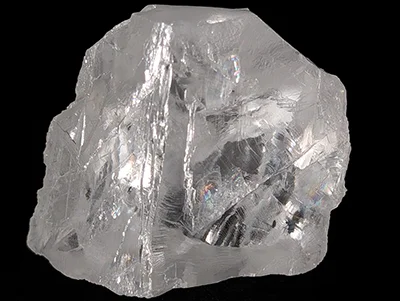
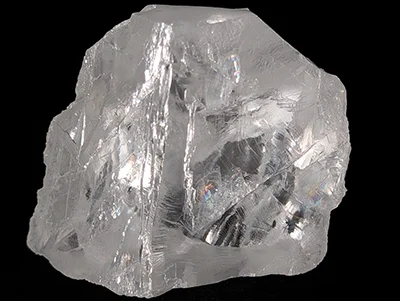
CEO Clifford Elphick said September sales at Letšeng achieved good prices, supported by the 347-carat Lesotho Jubilee, and described demand and prices for Letšeng-quality diamonds as firm. His assessment provides management's view of the market for the mine's output. The quarter's own figures support the importance of that market, but they also show how much the result depended on a small set of high-value stones. This is more significant than it looks: a strong average price can coexist with a meaningful fall in volume.
Letšeng production
Recovered carats at the Lesotho mine declined 13% to 19,299 from 22,268 a year earlier. The quarter produced three diamonds weighing more than 100 carats, bringing the year-to-date count to six. The Lesotho Jubilee, a white Type II diamond recovered in the second quarter, was sold during the third.
Those figures describe two different features of the quarter. Total recovered carats were lower, while the mine still produced several stones large enough to have an outsized effect on value. Counts of large diamonds help explain the potential for exceptional sales, but they don't by themselves show how much revenue a future quarter will generate. Size, quality, timing of sale, and the mix of stones all matter.
Mining and processing remained focused on the Main Pipe. Only 7,143 tonnes were processed from the remaining material in the current Satellite Pipe cutback, while preparations continued for its next mining phase. The company’s stronger forecast follows its return to profitability in the first half of 2026, with large stones continuing to shape results as volumes decline.
The focus on the Main Pipe and the limited processing of remaining Satellite Pipe material give useful context for the production figures. Mine plans involve different areas and phases, so a quarter's output reflects both the geology being worked and the operating plan in place. The source doesn't provide enough detail to quantify how much each factor contributed to the lower carat recovery, or what the next Satellite Pipe phase will add.
For readers tracking the business, the gap between recovered and sold carats deserves attention. Sales can include stones recovered earlier, as the Jubilee illustrates, so production in one period doesn't map directly to revenue in that same period. Here's the thing: a large sale can strengthen a quarter's cash-generating performance while leaving the next quarter's outcome dependent on what the mine recovers and when those stones reach market. A timing effect.
Credit facilities and shares
Gem Diamonds is finalizing commercial terms with Nedbank and Standard Bank to renew its revolving credit facilities before they expire on Dec. 21, 2026. The renewal matters because revolving facilities can provide a company with access to financing as operating needs change. The source doesn't disclose the proposed terms or say whether the renewal has been completed, so the current status is negotiation rather than a settled financing outcome.
Lesotho plans to introduce a variable diamond royalty rate of 3% to 6%, a change the company welcomed. Elphick called the policy a good decision for the mine’s long-term sustainability. A variable royalty links the rate to conditions defined by the policy, but the source doesn't specify how the rate will be set in practice or what charge would apply to Gem Diamonds. Its effect on costs therefore can't be calculated from the information provided.
Shares fell 14.2% to 12.44 pence in mid-afternoon London trading, valuing the company at £17.4 million ($23.5 million). That decline sits uneasily beside the revenue increase, but the two measures reflect different things: quarterly results describe a period of operations, while the share price reflects investors' changing view of the company. The source doesn't identify a reason for the move, so attributing it to any single factor would go beyond the available evidence.
What the outlook depends on
The quarter's figures underline the tension in the outlook: higher-value recoveries can lift revenue and prices, while mine output and sales volumes remain lower. The upgraded forecasts are encouraging, but their ranges don't remove the uncertainty around the timing and value of large-stone sales. For an operation where four diamonds contributed nearly two-thirds of quarterly revenue, the mix of stones can matter as much as the number of carats sold.
If you're working in this space, the next useful signals are whether Gem Diamonds delivers its higher recovery and sales ranges, how realized prices behave across a broader mix of stones, and whether the credit facilities are renewed on completed terms. None of those outcomes is established by this quarter's results. The numbers show the appeal of Letšeng's exceptional diamonds—and the exposure that comes with relying on them.
Discussion
Sign in to join the discussion.