Nominal consumption shows modest gains, yet real personal income and household employment figures paint a more concerning picture.
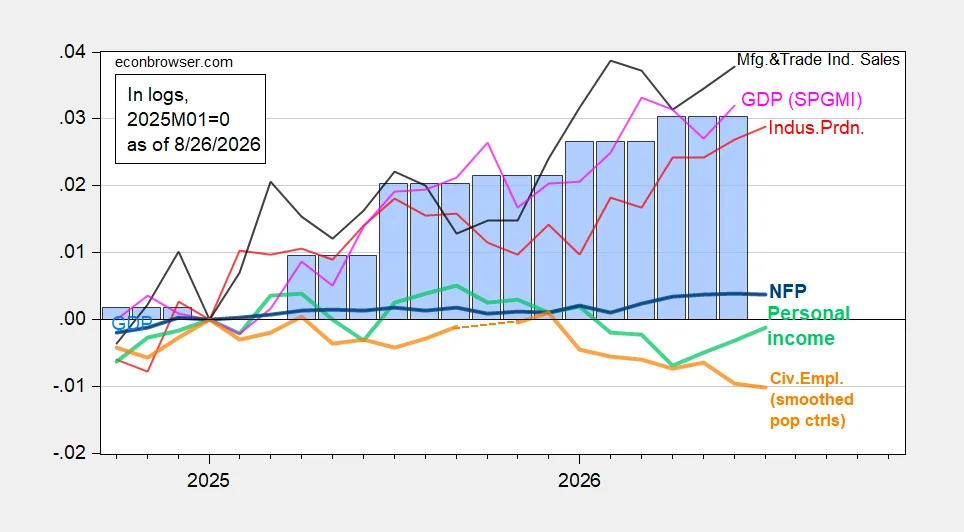
July's nominal consumption rose by 0.2%, outpacing market predictions of 0.1%. However, it's essential to note that real personal income, excluding transfers, remains below its recent peak, which raises questions about consumer spending sustainability.
Current Economic Indicators
In analyzing the July consumption figures, we see a modest gain that exceeds initial market expectations. While a 0.2% rise sounds encouraging, it can also mask deeper issues, particularly when you consider that real personal income — a critical factor in determining consumer spending — has not kept pace with these nominal gains. This disparity is concerning as it could signal a stagnation or even decline in consumer purchasing power in the months to come. If you're working in this space, it’s vital to scrutinize such trends closely.
Figures from various sources compound this cautious outlook. As indicated in Figure 1, key economic indicators like nonfarm payrolls and civilian employment show mixed signals. The disconnect between consumer expectations and personal income realities could lead to an increased reliance on credit, which isn't sustainable in the long run.
Understanding the Consumption Dynamics
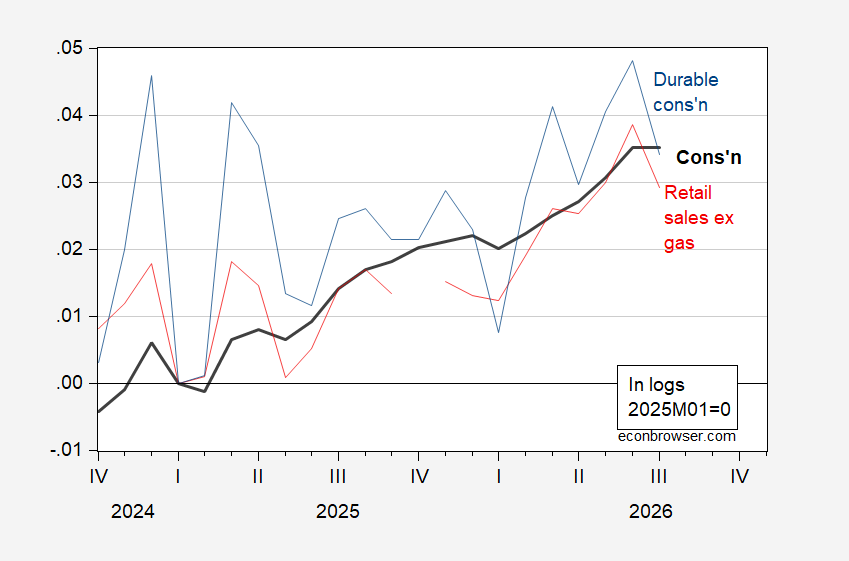
This uptick in nominal consumption might tempt some analysts to view the economy positively. However, the flatlining in real income complicates the narrative. After all, consumer spending drives a significant portion of GDP in the United States, which means any fallout in this sector can ripple through the economy. A deeper dive reveals that durable goods, items expected to last at least three years, show a notable decline. This trend could suggest that consumers are tightening their belts, perhaps reflecting apprehensions about job security and household finances.
Interestingly, the S&P 500 index's stagnation during this period is likely not a coincidence, as market performance often echoes underlying economic fundamentals. If consumer confidence erodes amid a backdrop of increasing prices and stagnant wages, investors may become skittish. The intertwined fates of consumer behavior and stock market performance make the current environment even more precarious.
Durable Goods versus Retail Sales
Figures from Figure 3 provide an insightful glimpse into shifting consumer trends. The decline in durable goods consumption — particularly in sectors such as automobiles and appliances — points to a broader change in consumer behavior. This can often indicate deeper economic concerns. While one might expect consumers to confidently invest in durable goods during a growth phase, the current drop suggests that they may be choosing to prioritize immediacies or smaller purchases over long-term investments.
And here’s the part most people overlook: the impact of inflation cannot be understated. With prices rising across the board, consumers are forced to make tough decisions regarding their spending habits. Whether it’s opting for cheaper brands or postponing large purchases, these behavioral shifts can illuminate the economic psyche of the average American. This shift in perspective signals that consumer sentiment might not be as strong as some analysts would prefer to believe.
Employment Measures and Broader Economic Implications
The downward trend in household employment measures adds another worrying dimension to the analysis. Despite stable population controls, persistent declines in employment metrics raise eyebrows and create a sense of unease. What does it mean when more individuals feel uncertain about job stability? This question hangs heavily in the air as mounting employment concerns could push consumers to tighten their spending further, risking a potential spiral of lowered economic activity.
Also, fluctuations in real retail sales excluding gasoline stations might provide additional context. With gas prices swinging widely, isolating those figures offers a clearer look at core consumer behavior. Persistent challenges in other areas could skew the outlook for retail, leaving analysts scrambling for clarity. The broader economic implications here suggest that sustained consumer spending could face headwinds, and businesses must adapt or risk being caught off guard by changing tides.
Future Outlook and Significance
Looking ahead, the current consumer spending patterns pose significant questions for economic recovery. While nominal growth appears promising, the lingering issues in real personal income and employment metrics suggest that potential obstacles loom large. If this trend continues, the risks of an economic slowdown could escalate, particularly if consumer spending dips below expectations in the coming months.
Synchronizing consumer confidence with tangible wage growth is essential for any sustained recovery. Without momentum in personal income, even modest gains in consumption may not suffice to drive the economy forward. For businesses and policymakers, recognizing these emerging risks is essential in responding effectively and mitigating potential downturns.
To put it simply: the current indicators may create an illusion of stability. But as the economic situation evolves, those watching closely should prepare for an unpredictable ride ahead. Understanding these dynamics is more significant than it looks — the path to recovery holds more complexities than it might initially appear.
Discussion
Sign in to join the discussion.