Botswana picks the Gareth Penny-led consortium as preferred buyer of Anglo American's 85% De Beers stake, but its push for 30% could complicate the $1B deal.
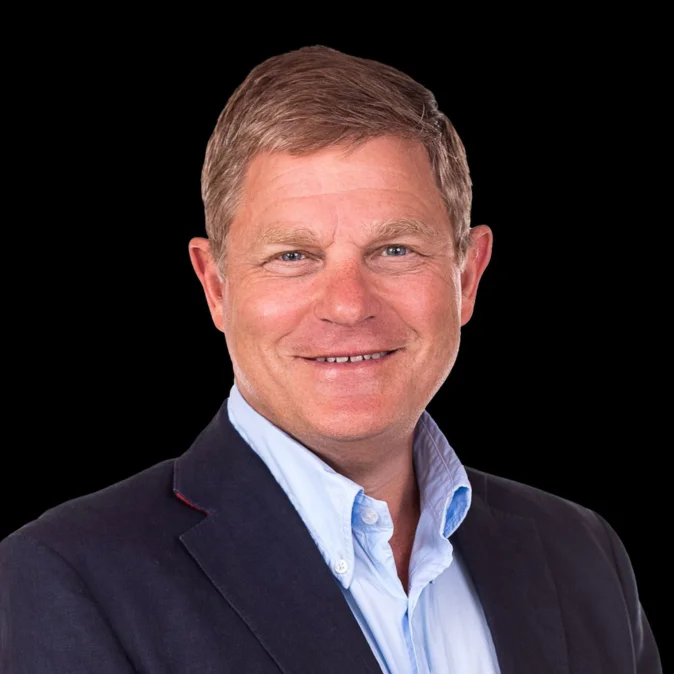
Botswana's pick matters less for who wins than for what it does to the price of control. President Duma Boko has named the Gareth Penny-led Global Diamond Consortium as preferred buyer of Anglo American's 85% stake in De Beers. The catch is that Boko wants Botswana's own holding to double from 15% to 30%, and that demand could strain a $1 billion transaction that was already complicated.
Boko made the announcement Monday in his annual State of the Nation address in Gaborone. The consortium had already emerged as Anglo's preferred bidder, so the endorsement mostly clears a hurdle. Botswana holds the remaining 15% and a right of first refusal over the sale, which gives its view real weight.
A 30% stake, and less than the control Boko promised
"When this transaction is complete, Botswana's shareholding in De Beers will double from the current 15% to 30%," Boko said. "Botswana will become the single largest shareholder in De Beers, and with that comes greater influence in the strategic decisions for decades."
That figure is above the roughly 25% stake previously discussed with the consortium. It's also well short of the controlling stake Boko initially promised when the sale process began. He acknowledged criticism of that pledge but argued that being the largest individual shareholder would bring Botswana "all the attendant rights and protections." My read is that Gaborone is betting on influence rather than control, and the final structure still has to be negotiated. Anglo and GDC haven't finalized binding transaction documents.
Money on the table
According to a source who spoke to Rapaport News, the consortium's offer gives Anglo $750 million upfront and $250 million in deferred payments. A further $500 million capital injection into De Beers remains under discussion. Neither Boko nor GDC has publicly disclosed financial terms, so the funding structure is still largely a question mark.
That's the part worth watching. The offer totals $1 billion, but how the consortium splits ownership and finances the purchase will determine whether the deal restores profitability at a business Anglo has struggled to sell.
Who's in the room
Angola and Namibia will take part alongside Botswana, Boko said. The consortium also thanked Oman for its support, which hints at a wider group of government investors.
"Botswana's support represents a significant endorsement of our vision for the industry's future," Penny said. "We remain focused now on finalizing agreements with Anglo American as soon as possible."
GDC named its founders as Penny, who ran De Beers from 2006 to 2010, Saurin Parikh of Antwerp-based Diarough, and Moshe Klein of New York-based Grandview Klein. Both companies are De Beers sightholders. The consortium also referred to unnamed midstream and downstream partners but didn't identify Pluczenik, Signet Jewelers or Richemont, all previously linked to the bid.
Independent analyst Paul Zimnisky has argued that bringing producers, investors and industry leaders together could help restore confidence in natural diamonds. "I think having everyone on the same team is the best case scenario," he said. "Diamonds really need a strong front of united advocates right now."
Beyond mined diamonds
Anglo's exit from De Beers is part of a broader restructuring focused on copper. De Beers' valuation has fallen to $2.3 billion from almost $13 billion in 2011, reflecting prolonged weakness in natural gemstone demand and growing competition from synthetic alternatives. That gap explains why a buyer with a long memory of the business is attractive to the seller.
Boko said Botswana measured competing bids against five priorities: sustainable profitability, greater strategic influence, broader participation in the diamond value chain, limited public spending, and the ability to complete a transaction under international regulations. He also took aim at De Beers' marketing.
"At some point, De Beers seemed to have lost sight of what gives a natural diamond its value," he said. "It stopped telling the natural diamond's story. And the demand it had once done so much to create began to fade."
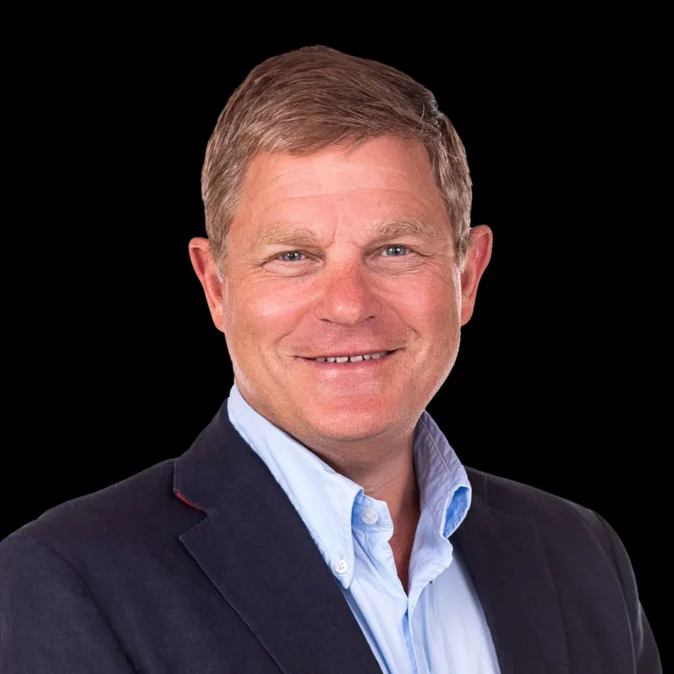
Boko also pointed to Element Six, De Beers' synthetic-diamond business, as a possible growth engine serving advanced manufacturing and artificial intelligence infrastructure. He cited a $600 million joint facility in Georgia announced by US President Donald Trump and said he had discussed a technology partnership involving Element Six with US Commerce Secretary Howard Lutnick. "Synthetics don't belong around a beautiful woman's finger," Boko said. "They belong at the end of a drill bit."
Anglo welcomed the progress but stressed that talks continue. "We continue to work with the government of the Republic of Botswana, other governments and the Global Diamond Consortium towards agreeing binding transaction documents," a spokesperson said.
De Beers CEO Al Cook welcomed Botswana's plan to raise its ownership, pointing to the country's long role in shaping the business. "Consumers take more and more of an interest in the places their diamonds come from," Cook said, adding that new ownership could strengthen confidence in responsibly sourced stones.
The next real test is whether the parties sign binding documents, and whether a 30% stake translates into a meaningful voice in De Beers' strategy.
Discussion
Sign in to join the discussion.